Behind the Scenes
A high tea among the alpacas is a special experience. Taking them out to get a breath of fresh sea air can certainly be called exciting. But what do the animals do between events? What goes on around the farm yard? What challenges do the caretakers face? A series on daily occurrences and questions.
Jacoline Vlaander
18. Blood Analysis
The alarming signal sent by flowing blood is unmistakable anywhere. Quick action saves not only lives, but also clothes, satin sheets, and light-colored shag carpets. You drop everything instantly: tie off the wound, rinse under cold running water, disinfect, and secure with gauze, plasters, and bandages. When reaching for first aid scissors—which, despite all good intentions, were somehow not put back with the medical supplies—you’re reminded once again that blood will always find a way.
“It really is fascinating,” Mara laughs. “Enormously interesting. You never run out of things to talk about when it comes to blood. Plasma is its liquid component—transporting proteins, enzymes, nutrients, waste products, and hormones. Together with red blood cells (oxygen carriers), white blood cells (disease and bacteria fighters), and platelets (clotting agents after injury), it forms a delicate, finely tuned cocktail that keeps humans and animals functioning physically and mentally when healthy.”
Failing organs
Analyzing blood reveals critical insights into an animal’s condition: “It gives an almost immediate, clear picture of nutritional deficiencies and failing organs.” For the sick and neglected animals arriving at Alpaca Rescue Centrum Nederland, standard blood testing is an invaluable addition: “We realized early on that having our own blood analyzer machine was essential for professionalizing our care. Being able to order one following all the fundraising activities during Stichting Dierenlot’s Christmas Challenge 2024 was fantastic. It allows us to work so much more efficiently.”
Knowing key data faster means treatments can be tailored far more swiftly and effectively—a factor that is often lifesaving: “We’ve had too many painful experiences with animals falling suddenly, severely ill and dying while we were still waiting for blood sample results to return from off-site labs. Days slip by each time. With our own blood analyzer, we can run tests immediately whenever we suspect an animal isn’t doing well.”
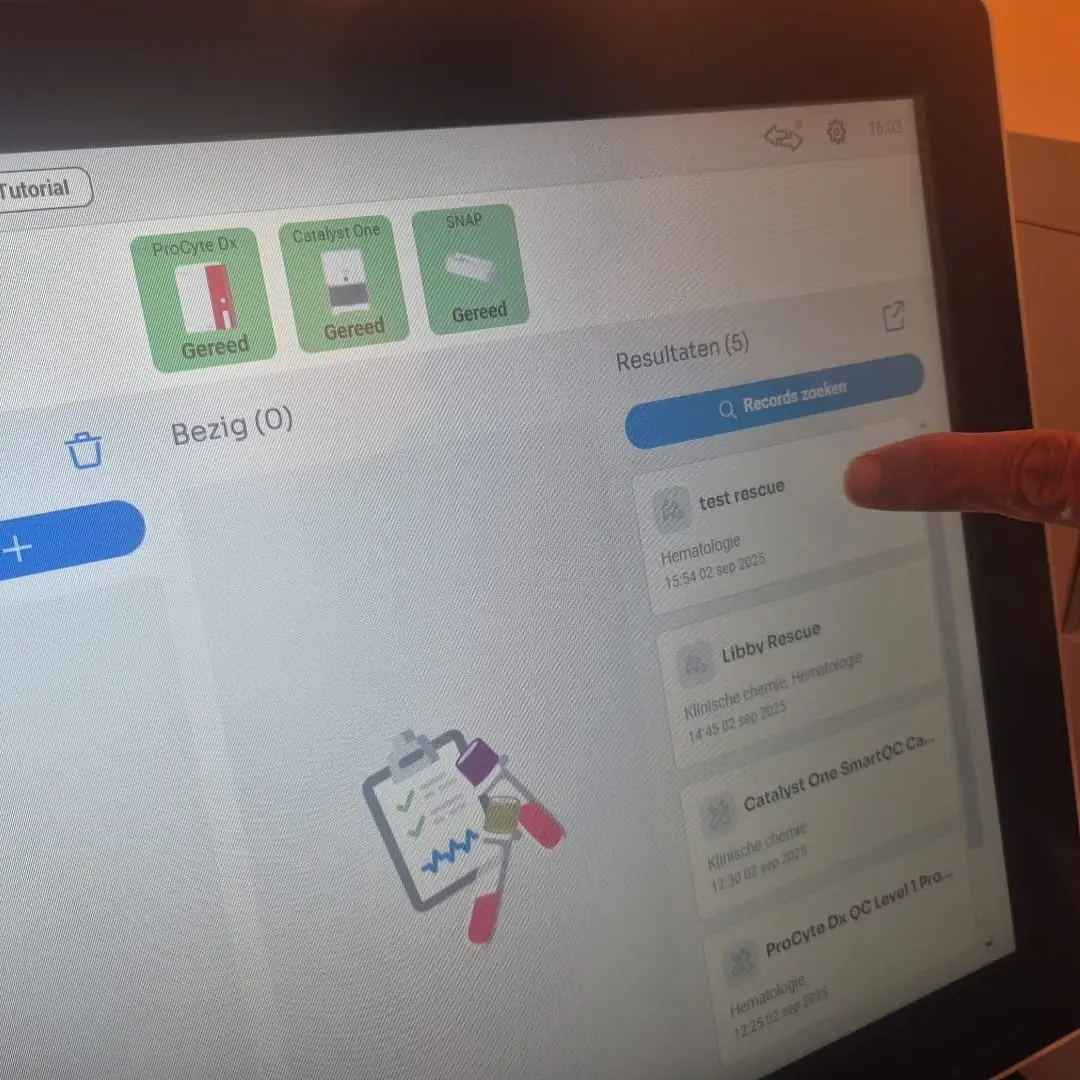
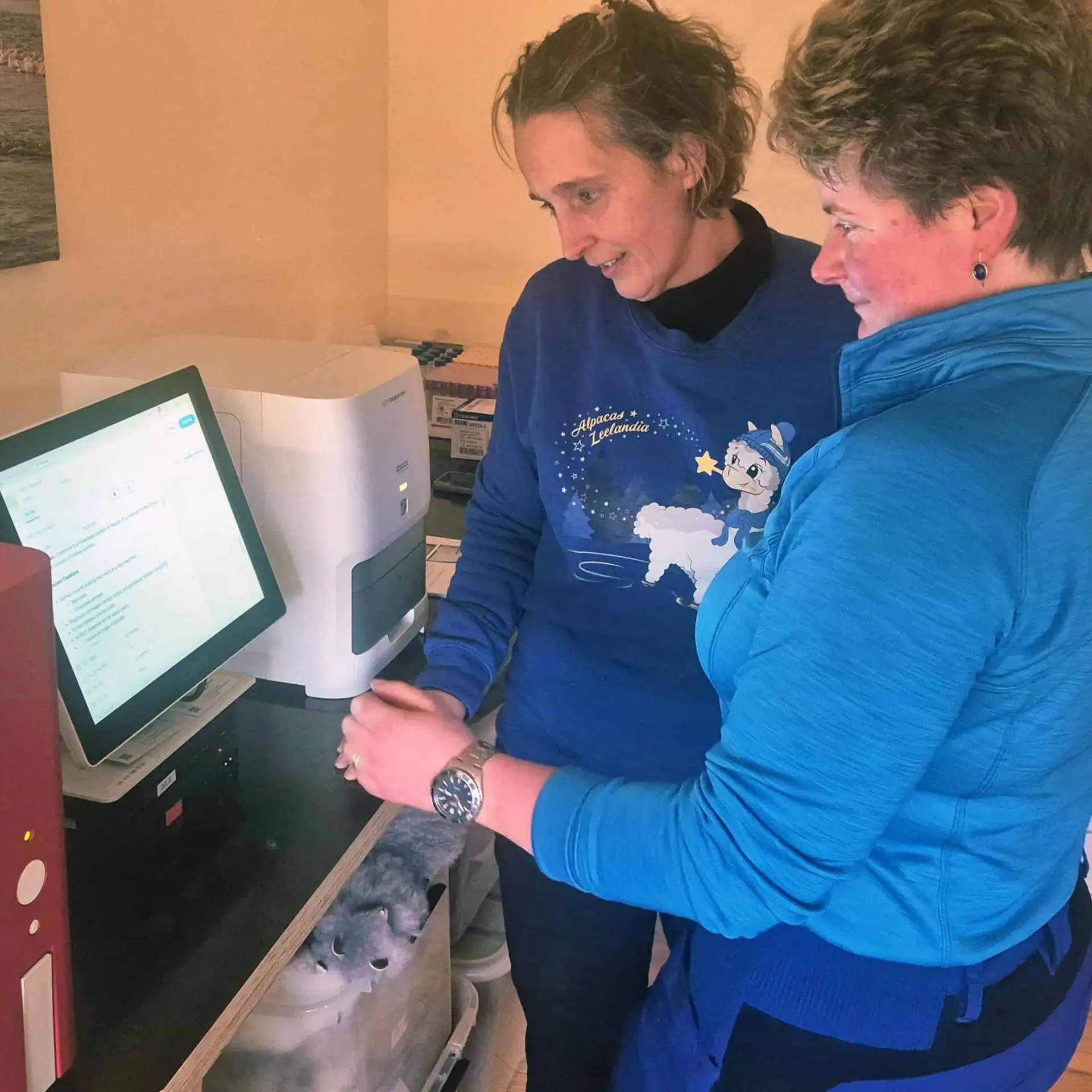
Blood values & baseline measurements
Preventive testing is also much simpler now: “When new animals arrive, we can immediately perform a comprehensive baseline measurement—an analysis of their health state before any dietary changes or medical interventions occur. In addition to checking teeth, eyes, ears, nails, and listening to the heart, lungs, stomach, and intestines with a stethoscope, we now inspect their blood as well. This drastically lowers the chances of missing a dormant illness or underlying condition.”
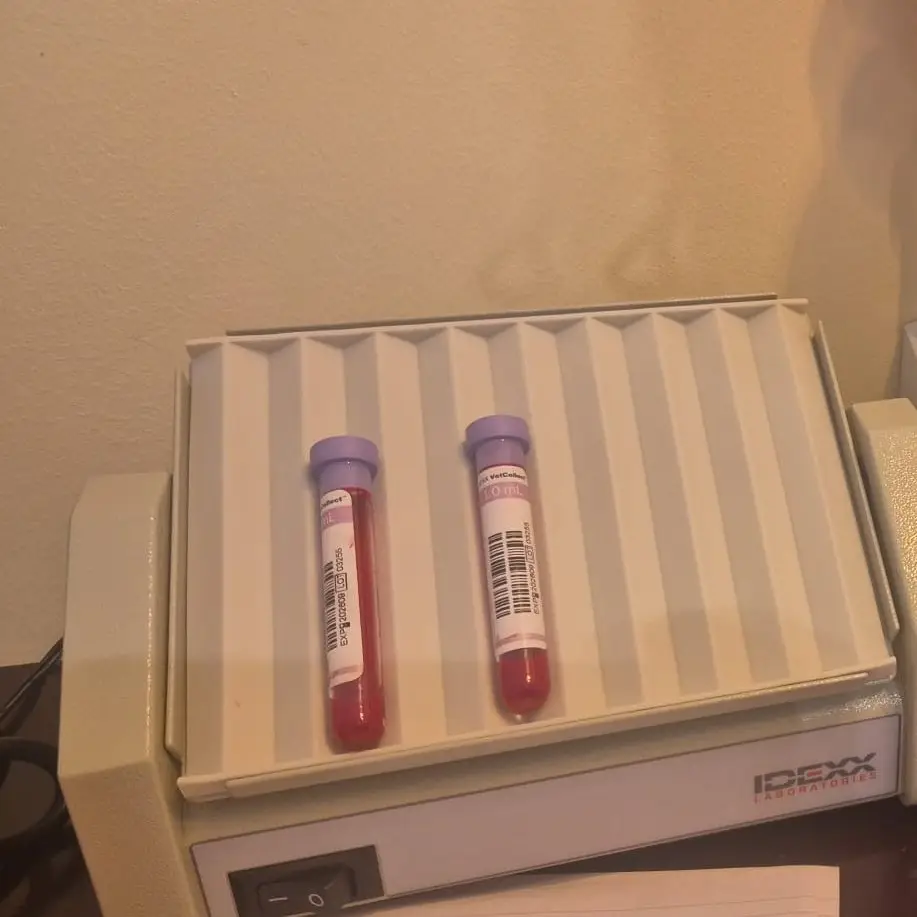
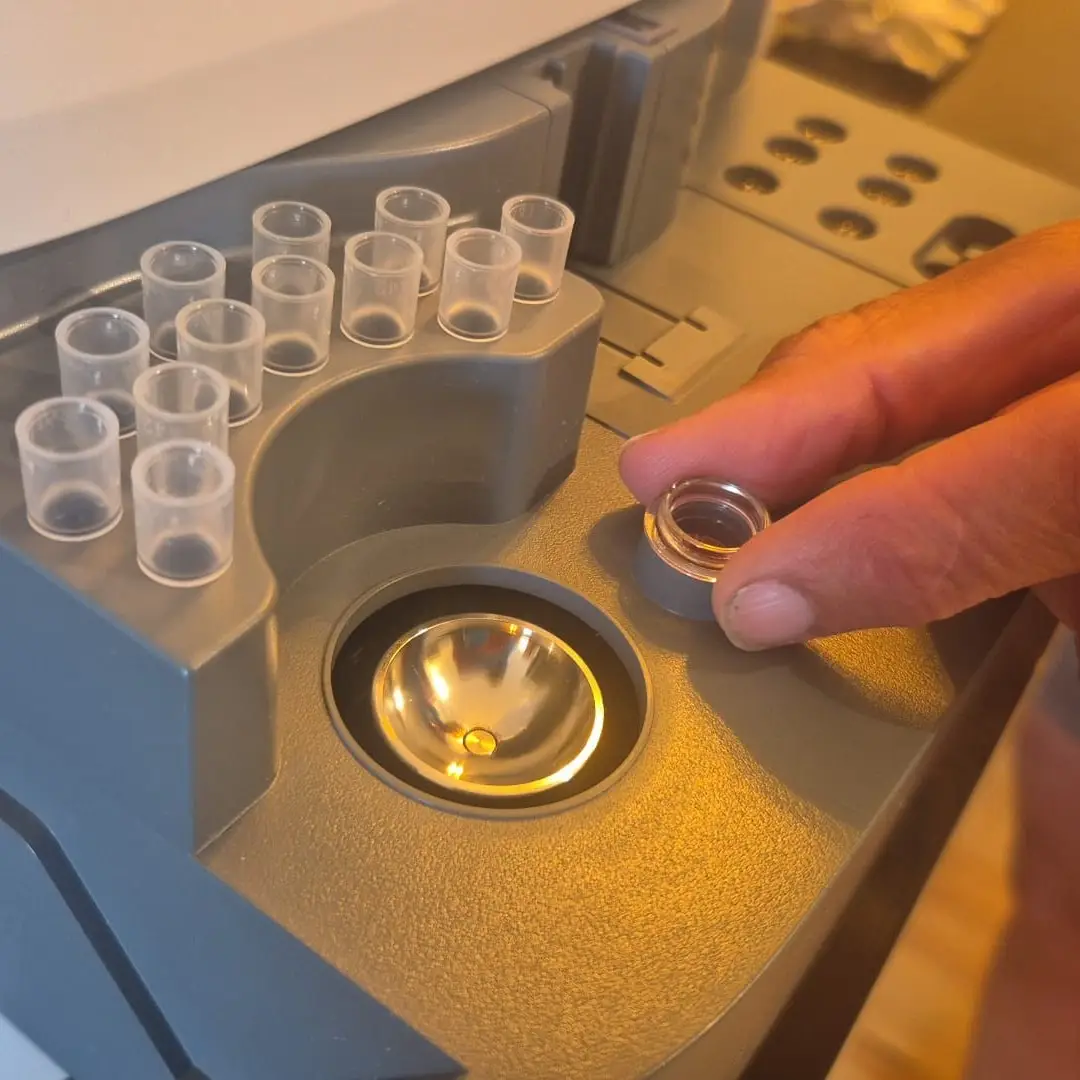
Professional blood analysis consists of precise chemical steps. Drawn blood is divided into two collection tubes: one containing pure blood, and another pre-treated with a solution that floats white blood cells while binding red blood cells at the bottom. The first tube rocks continuously on a mixer for at least ten minutes to prevent premature clotting. The second goes into a centrifuge to separate sediment and prevent skewed readings. After registering the patient—logging name, weight, date, and reason for testing—one device counts blood cells and electrolytes, while the other analyzes the blood chemistry.
Ruminant hematology
For now, interpreting the output remains a complex puzzle for Mara and Renate. What do all these specific values indicate? How do you translate them into a clear diagnosis? “We are expanding our knowledge with ruminant hematology,” Mara says. “This is a branch of veterinary internal medicine focused on studying, diagnosing, and treating disorders of the blood and blood-forming tissues. It helps us learn the normal ranges specific to alpacas and llamas. Belgian veterinarian Dr. Thijs Flahou, who specializes in these animals, can then guide us through the results—everything he explains will rest on a solid foundation of baseline knowledge. Until then, he interprets the values for us and guides our next steps.”
They are already learning to spot deviations from standard ranges: “We’re developing a sense for proportions and composition. I’m also curious to see how values vary across different life stages and herd groups, and whether environmental factors play a role: Where does the animal live? What are they eating? What are the herd dynamics like? Do they share a strong bond with their handlers?” Greater knowledge and capability bring greater responsibility, Mara recognizes: “Ignorance is no longer an excuse—though that was never our approach anyway.”
Next episode:
How do you make the decision that an alpaca can no longer live?
Alpacas Zeelandia team
Alpacas Zeelandia team