Heat stress in alpacas and llamas
During warm days, we regularly receive questions about how alpacas and llamas deal with heat. You might think they aren’t bothered by higher temperatures, but nothing could be further from the truth. Although they originate from the Andes, they are actually better equipped for cool nights and a dry climate. The hot, humid summer days—such as those we know in the Netherlands and Belgium—and muggy nights when it barely cools down pose significant risks to them.
When temperatures rise, we keep a very close eye on our animals. Heat stress can develop rapidly and sometimes has severe consequences.
Why are alpacas and llamas sensitive to heat?
Alpacas and llamas have a hard time releasing heat. Unlike horses or humans, they can barely sweat. Their dense, woolly fleece works exceptionally well against the cold, but impedes the release of excess body heat. Humidity also plays a major role: a temperature of 28 °C with high humidity is far more taxing for an alpaca or llama than 32 °C in dry air. Older animals, animals with dark or heavy fleeces, pregnant females, and animals with existing health conditions are at higher risk.

How do you prevent heat stress?
Prevention is always better than cure. That is why we implement the following measures during warm periods:
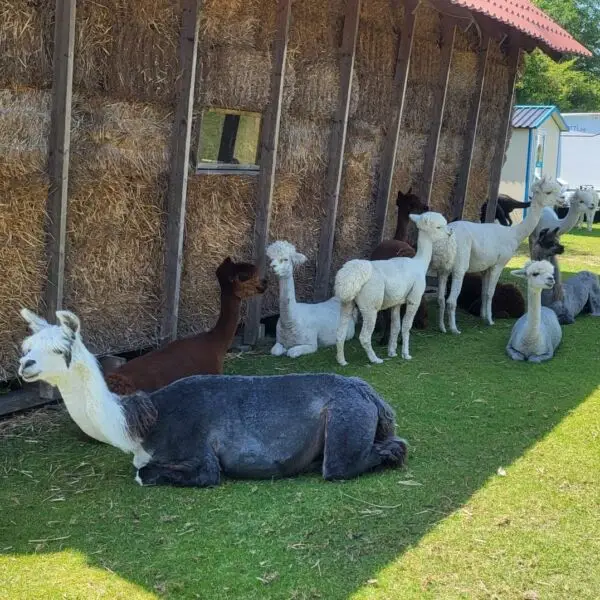
- Sufficient natural or artificial shade
- Permanent access to clean drinking water
- Good ventilation in shelters
- A sheared fleece before summer hits full force
- Minimizing stress, exertion, and physical effort
- Extra monitoring of vulnerable animals
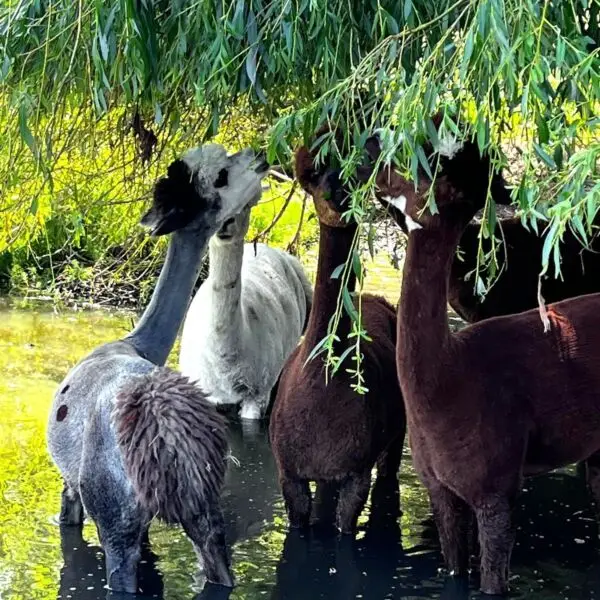
Many alpacas and llamas also find relief by standing with their feet in water. A shallow container or a wet ground surface already makes a world of difference.
How do you recognize heat stress?
An alpaca or llama suffering from heat stress often shows behavioral changes. Common symptoms include:
- Rapid or heavy breathing
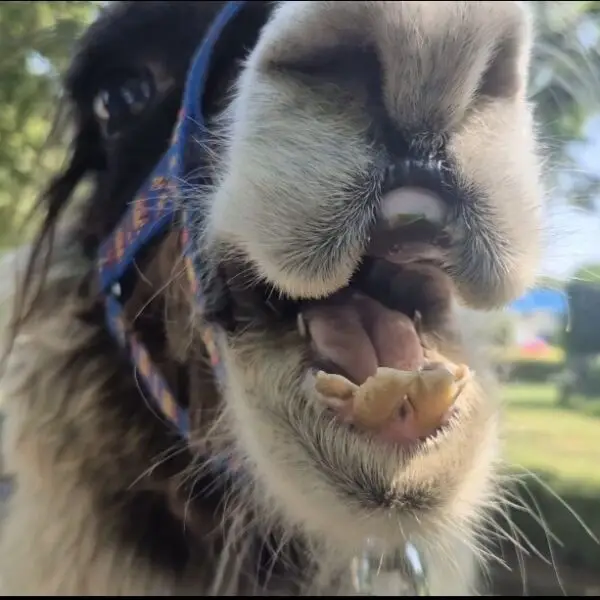
- Open-mouth breathing
- Lethargy
- Reduced appetite
- Isolating from the herd
- Lying stretched out
- Difficulty standing up
- Unsteady gait
- Elevated body temperature
In severe cases, animals can collapse or even die. A common sign we observe when an alpaca or llama gets too hot is that it stops responding alertly to its environment. The animal withdraws, seeks a quiet spot, and appears ‘absent.’ At that point, immediate action is required.
What to do in case of heat stress?
When an alpaca or llama shows signs of overheating, you must act quickly. Move the animal to a cool, shaded area immediately. Next, cool primarily the belly, armpits, groin area, and legs with water—these are the exact spots where excess heat can be released.
A common mistake is wetting only the back. Because of their dense, woolly coat, the water hardly reaches the skin, leaving the cooling effect minimal. Furthermore, the top layer of wool dries quickly while remaining wet underneath—creating an ideal humid environment for flies to lay eggs, which leads to other dangerous consequences.
Offer fresh drinking water and keep the animal calm. Avoid stress and physical exertion. If an alpaca or llama can no longer stand up, exhibits neurological signs (such as disorientation), or does not recover quickly, call a veterinarian immediately.
Keep an eye on your animals
During hot days, we walk among the animals far more frequently than usual to observe the various herds. Alpacas and llamas are prey animals, making them experts at hiding discomfort. By the time they look so unwell that they no longer attempt to mask it, the situation is already severe.
That is precisely why we don’t just rely on temperature readings or weather forecasts, but focus primarily on the behavior of every individual animal. Is everyone chewing the cud calmly? Are they seeking shade? Are they all still eagerly coming for food? The hottest days of the year are not days off for us, even though we often have to cancel scheduled activities. They are the days that demand even more: remaining vigilant and keeping an extra watchful eye.