Why is the rescue center closed on hot days?
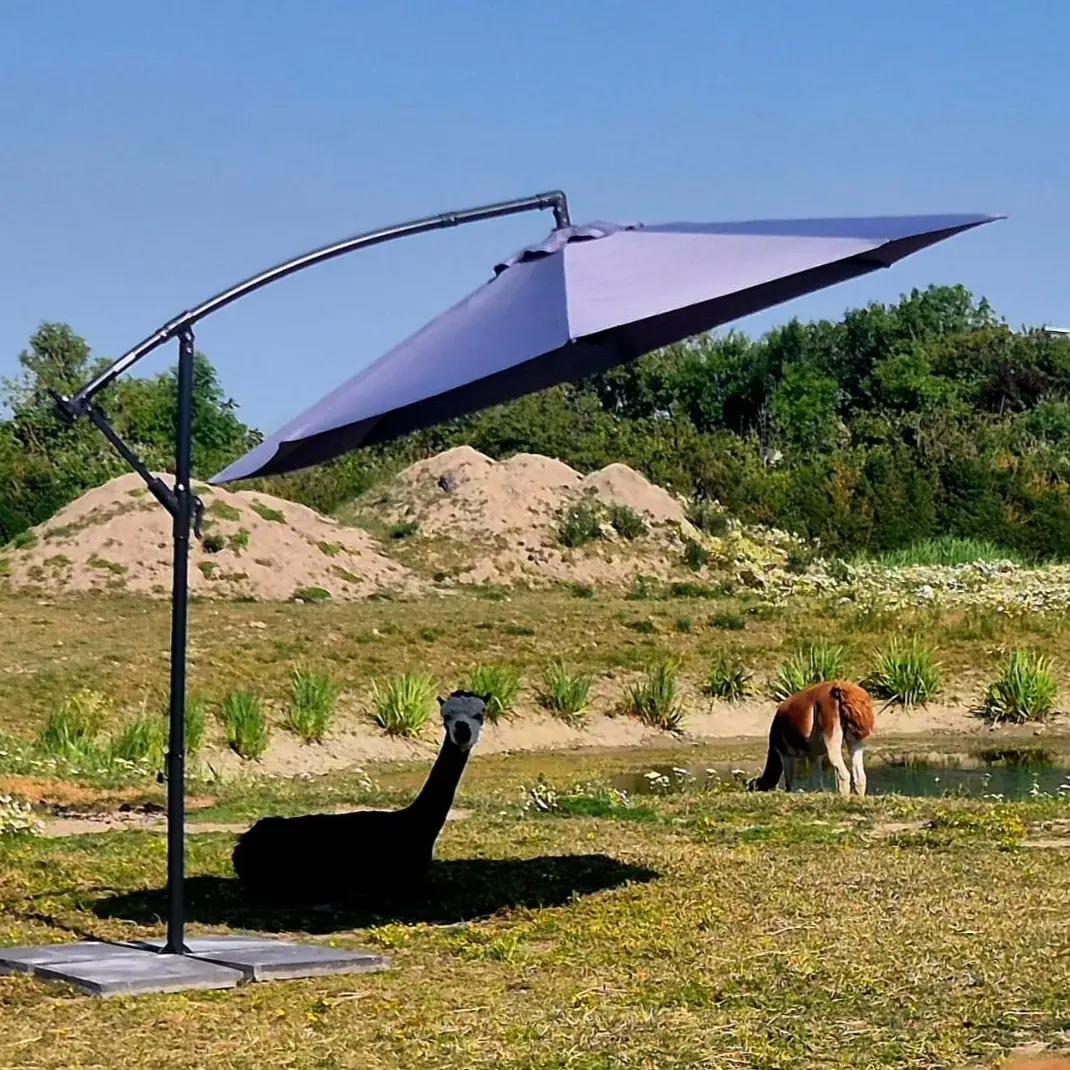
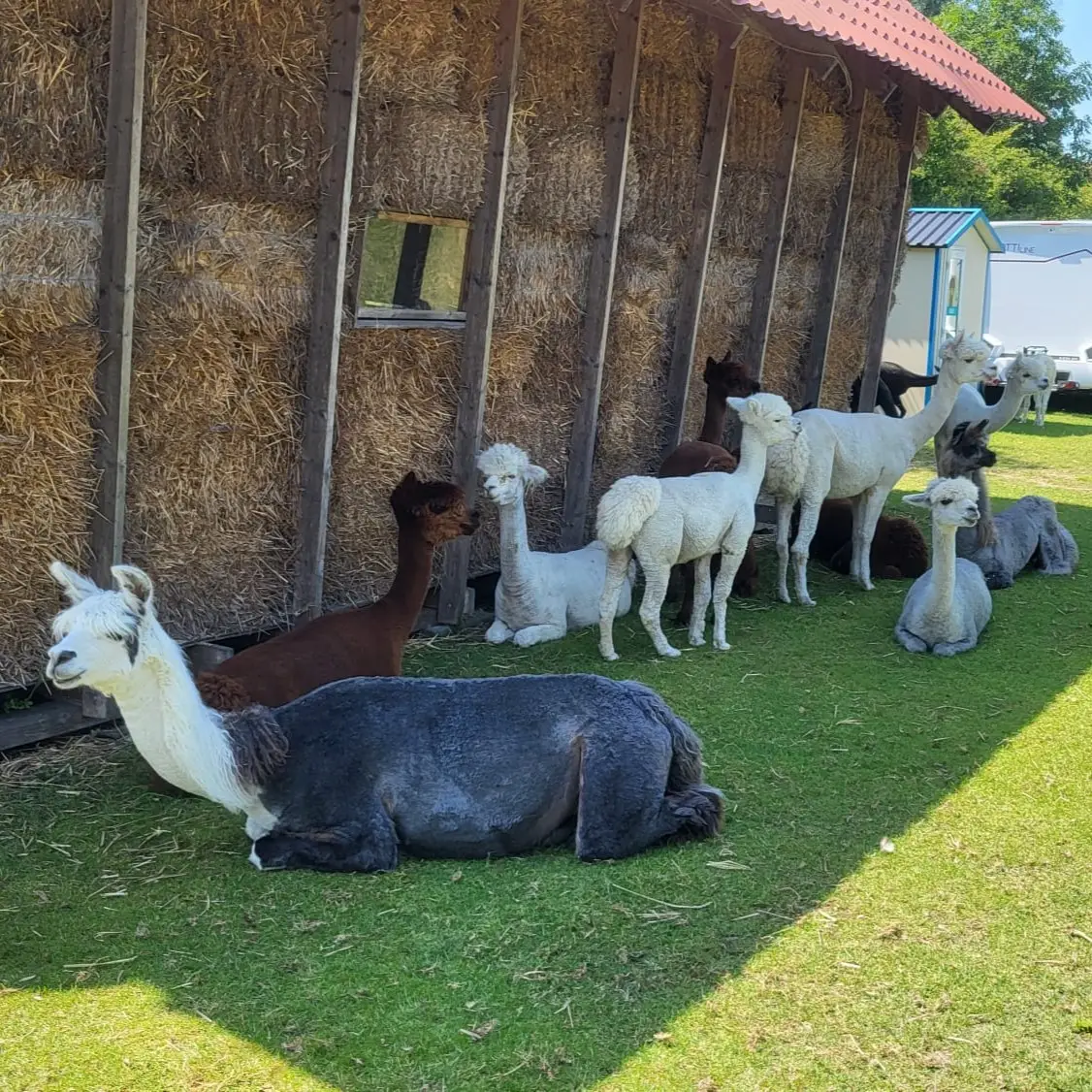
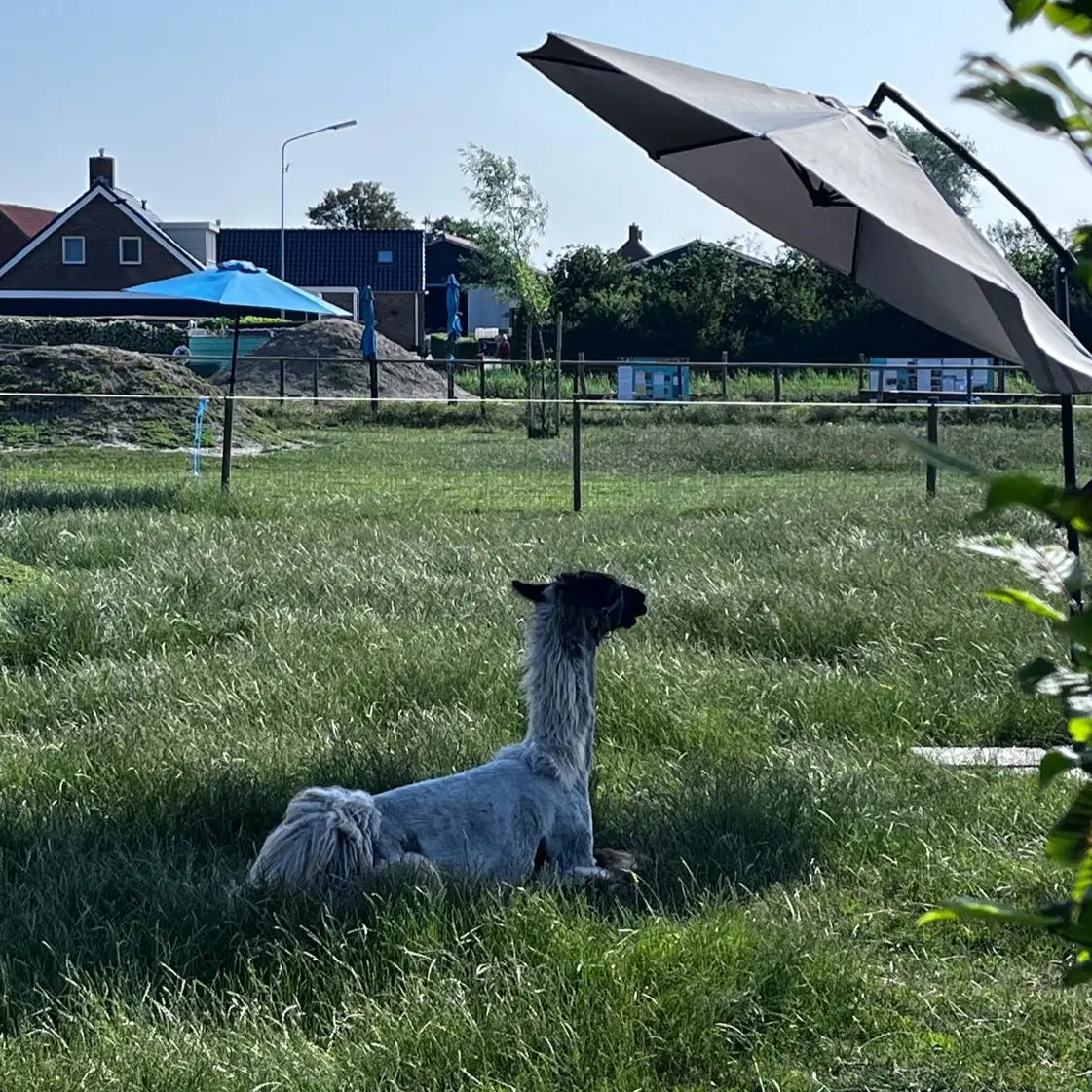
The sun burns down on the parched grass. The hot clay soil is dry and cracked. Most pastures along the experience path do not have enough natural shade, and sunshades offer little relief. The animals refuse to move a muscle and want nothing more than to lie down under trees and in bushes.
For the second time this summer, the National Heat Wave Plan has been activated. It applies to Zeeland, South Holland, North Brabant, Limburg, Utrecht, Gelderland, and Overijssel. The National Heat Wave Plan is triggered when warm weather persists with temperatures rising above 27 degrees Celsius. High temperatures and strong UV rays will continue this week as well.

Vulnerable people and animals
The National Heat Wave Plan is an alert system to warn vulnerable groups in society—primarily the elderly, young children, and people with chronic health conditions. However, these extreme temperatures are also harmful to most animals. For them, the key priorities are rest, shade, and plenty of drinking water.
That is why we keep a very close eye on our vulnerable rescue alpacas and provide them with round-the-clock care. Preventing overheating is half the battle. Our main focus right now is guiding them through this hot period in the best way possible: helping the animals cool down and giving them peace and quiet. We keep them in the pastures that do offer natural shade, but those are not located along the public experience path.
Consequently, there is very little for visitors to experience out in the scorching sun. That is why the rescue center remains closed on hot days.