Mange – what can you do yourself?
The leaves are falling. The weather is turning. Rain and wind don’t just signal the start of winter—they also herald a flood of incoming inquiries and requests for help. The topic: mange (schurft).
Mange is a widespread problem among alpacas in our damp climate, affecting hobby owners and breeders alike. Mange does not discriminate; no one is immune. So don’t feel ashamed, but tackle it thoroughly. If you don’t address it properly right away, it leads to unnecessary and prolonged suffering for your animals.
Owners who have been struggling with mange outbreaks in their herd for months often ask if we can share a quick, definitive solution from afar. Unfortunately, we cannot, for several reasons: we are not certified veterinarians and therefore do not provide medical advice—especially not remotely. Furthermore, there is no one-size-fits-all approach to mange that applies to every animal. Every situation is unique.
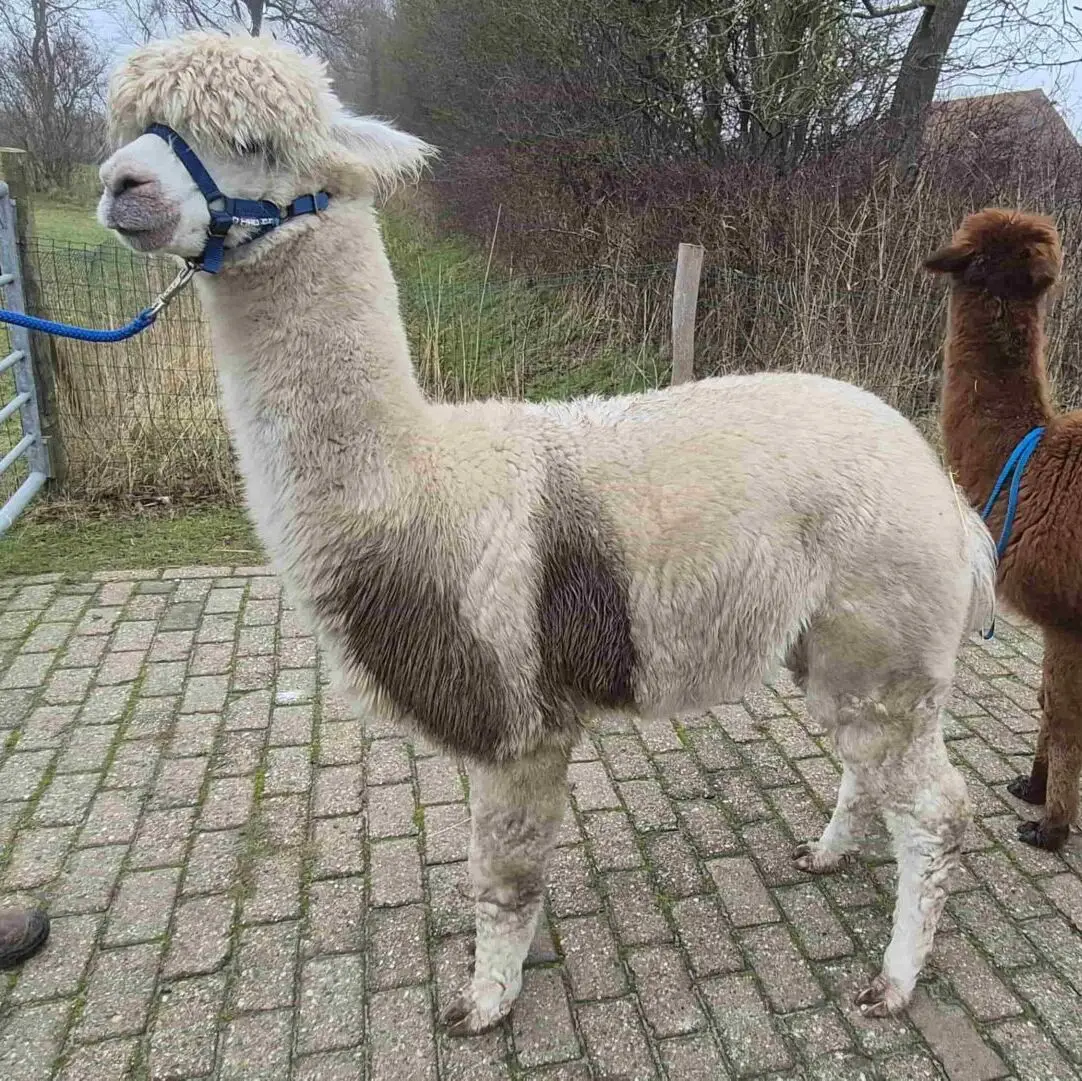
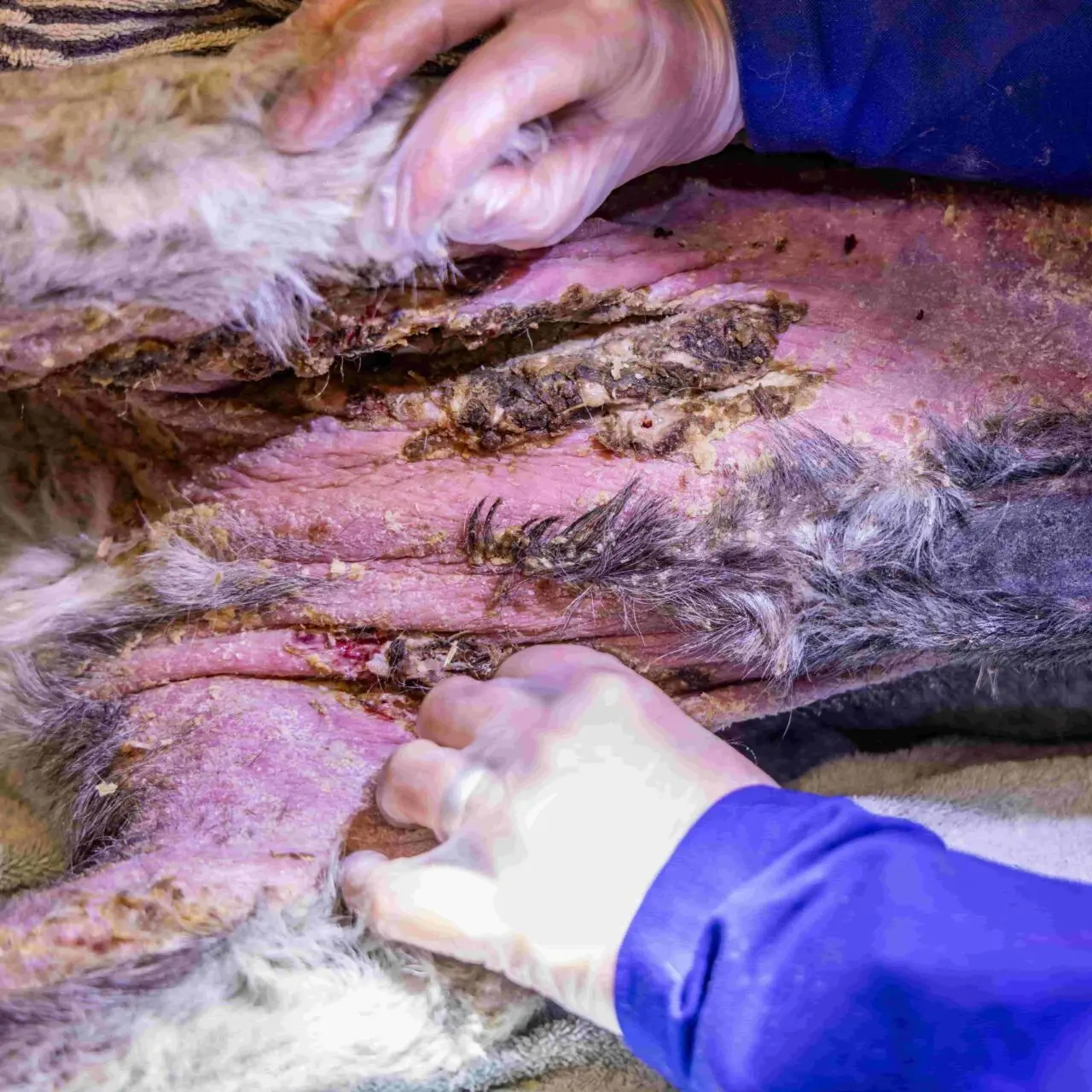
Symptom management vs. root causes
What stands out to us is how little thought is often given to the root cause of mange. Many owners assume they can have their animals treated ‘preventatively’ on a regular basis. However, this is entirely unnecessary, doesn’t work, and can actually harm the animal’s natural immunity. When mange is eventually discovered anyway, panic sets in: an injection, a pill, and weeks later another injection. Meanwhile, the situation only deteriorates. Sometimes baths, wash stations, or heavy medications are introduced. The animal suffers, and it costs the owner a lot of money. Take it from us: without investigating the underlying cause of the outbreak first, you are merely treating symptoms.
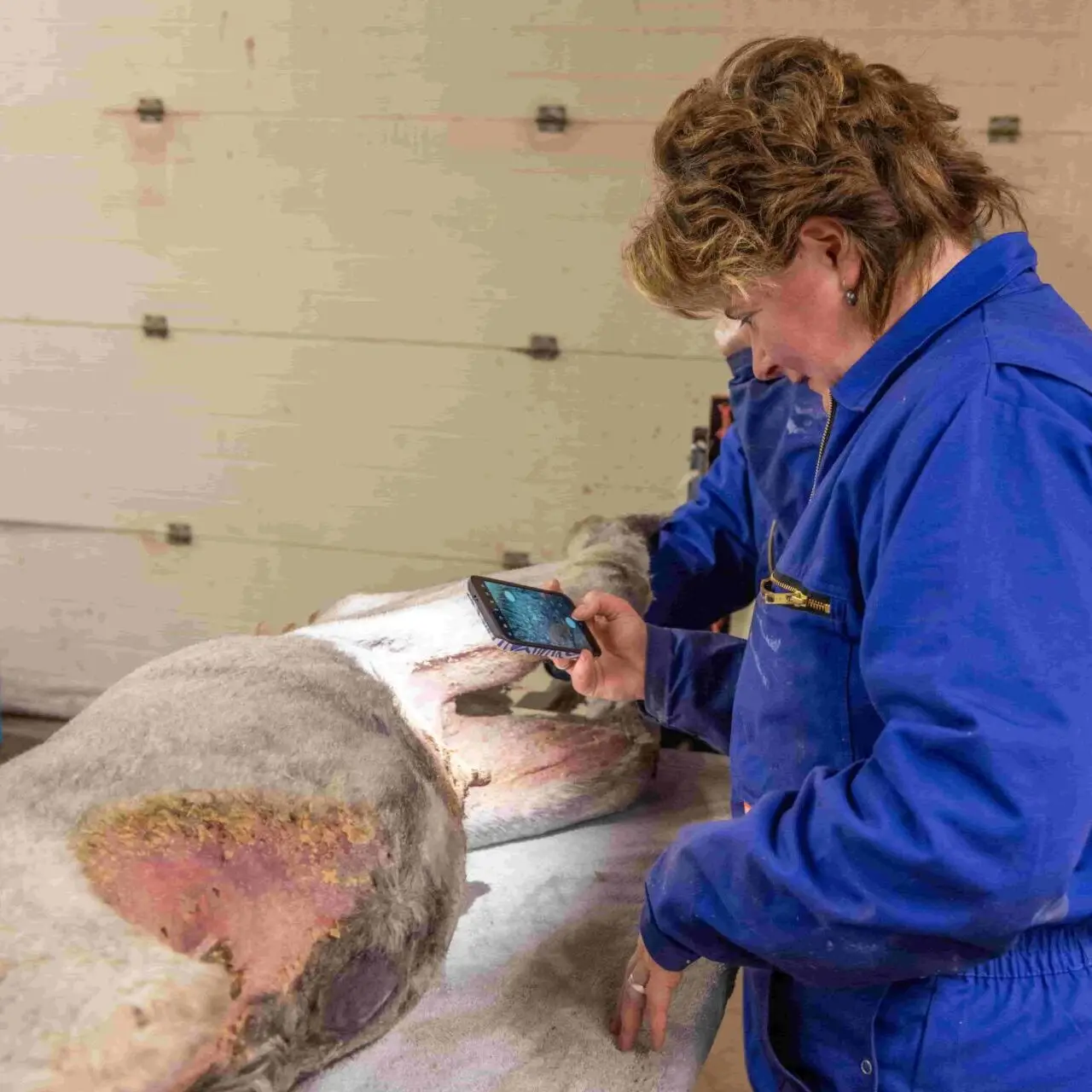
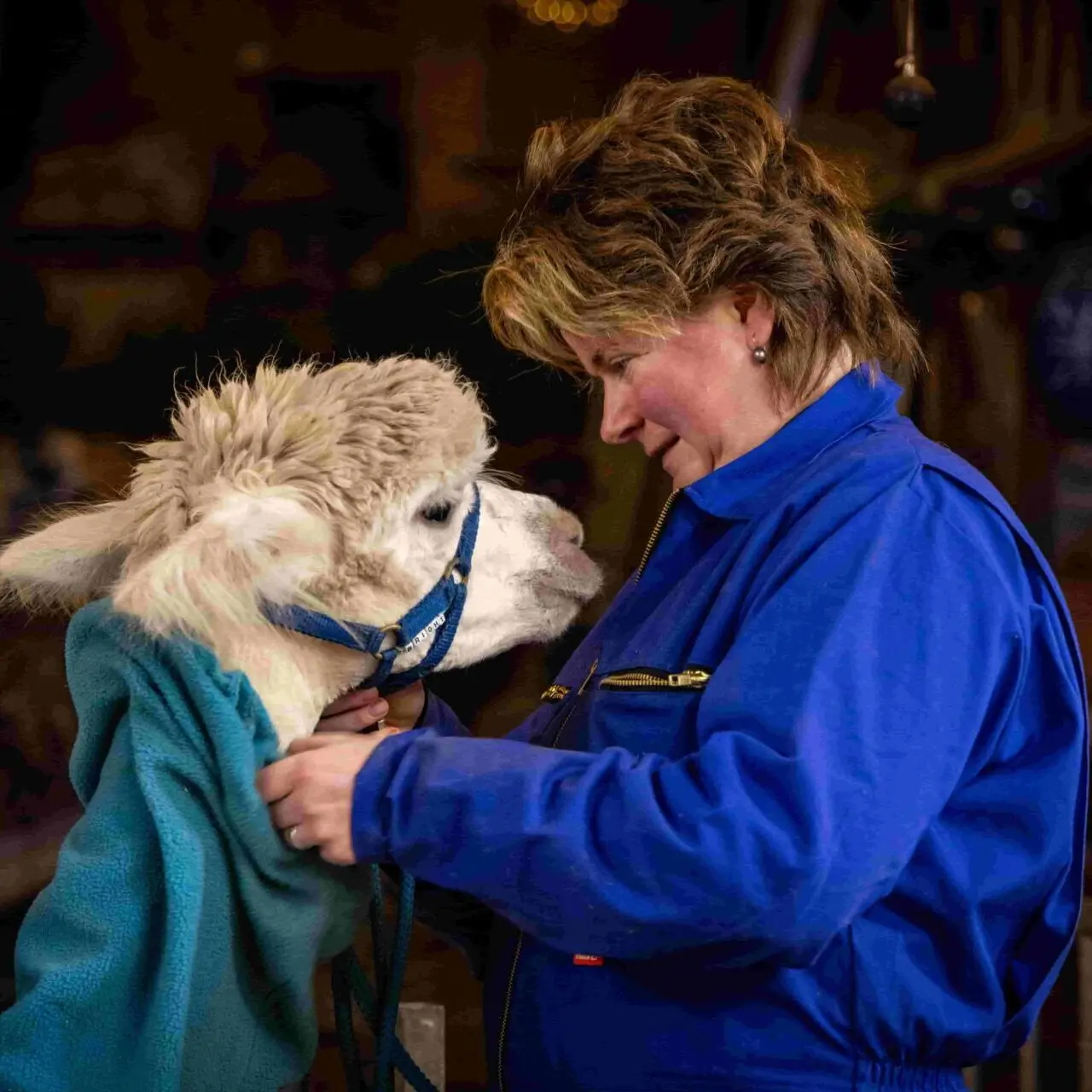
Good tips
Does that mean we don’t help at all? Of course we do! We have tips to help you look at mange from a different perspective. But this requires an objective, honest approach from owners, as well as experienced veterinarians with alpaca expertise and a holistic understanding. Mange manifests when an animal’s immune system drops. You can view it as a signal: somewhere, the balance has been disrupted.
External factors
You must quickly investigate where the problem lies. Take a close look at the following external factors:
Nutrition: Delve into your alpacas’ diet and ensure it matches each individual animal’s energy requirements.
Housing & Bedding: Inspect the shelter and barn bedding.
Herd Dynamics: Consider herd composition (is it too large, too small, or are sexes mixed?) and dynamics (can all animals relax, or are some skittish, stressed, or aggressive?).
Pasture & Water: Which plants can they nibble on? What type of grass was sown? Are there mental challenges—such as variety—in the pastures, and do they have enough space? Is clean drinking water always accessible?
Examine yourself
Include yourself in the investigation: how do you approach your animals? How do you treat them? Do they enjoy it? Do they come to you openly and happily? What might cause stress, and how can you reduce it?
Identify the mite
To treat mange effectively, it is vital to identify which specific mange mite you are dealing with. Unfortunately, it rarely stops at just a mite infestation: we often see a massive drop in weight, which hinders recovery—the animal weakens further, and susceptibility to other secondary issues increases (such as opportunistic bacteria entering damaged skin and causing further infection). That is how troubles pile up.
A positive mindset
A mange outbreak is agonizing, exhausting, and can feel hopeless. But remember: your own state of mind influences your animals and can throw them further off balance. If you stop believing in their recovery, why should they? Tackling mange requires a positive commitment, a spirit of discovery, keen observation, a love for solving puzzles, and a bit of luck. Every alpaca is different, every situation is different, and every owner is different.
We are happy to help
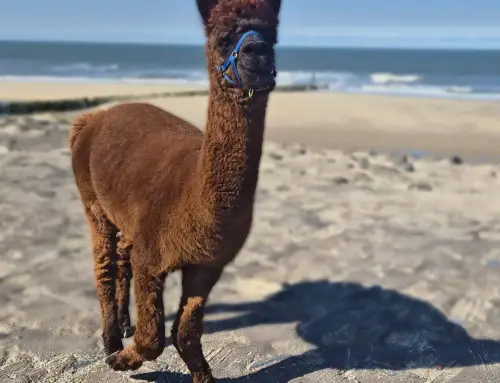
Over time, we have become well-versed in managing mange and work seamlessly as a team. Can we help alpacas? Absolutely. Every year, we have a small number of spots available for (young) alpacas with mange that haven’t recovered after trying various methods. We take in these alpacas for as long as necessary and treat them consistently according to a tailored treatment plan. We swim with them in the sea in our arms, shear, trim, wash, blow-dry, apply ointments, mix supplements, administer drops, feed, and monitor every alpaca closely every single day. This process is costly, requiring dedication from the owner.
Fair contribution
When people surrender an alpaca with mange to us, we request a fair contribution to help cover the costs of nursing the animal back to health. Our loyal sponsors and donors support us with contributions in time, medication, and funding.
Help us help them
Visit Alpaca Rescue Center Netherlands or book an alpaca or llama activity. By doing so, you directly support animals in need at our rescue shelter while enjoying an unforgettable day out yourself!