Behind the Scenes
A high tea among the alpacas is a special experience. Taking them out to get a breath of fresh sea air can certainly be called exciting. But what do the animals do between events? What goes on around the farm yard? What challenges do the caretakers face? A series on daily occurrences and questions.
Jacoline Vlaander
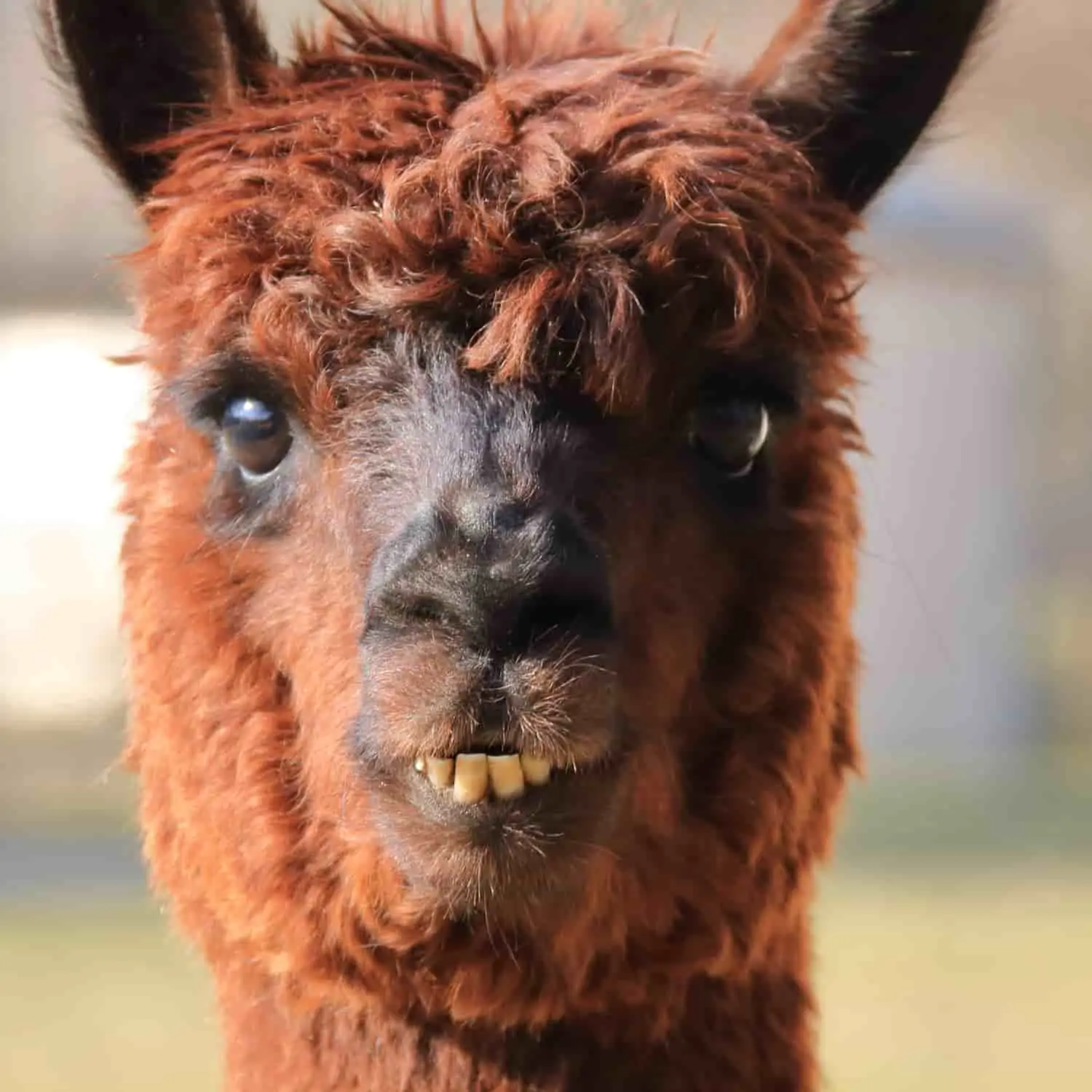
1. Donna
Caring for alpacas is surprising and joyful. No two days are the same, despite all the repetitive tasks: feeding, bottle-feeding crias, administering medication, inspecting skin, ears, and eyes, halter-training, guiding them to the pastures, scooping manure in all weather conditions, disinfecting barn floors, regularly trimming nails, grinding teeth, and analyzing fecal samples. It is never boring.
When you truly know your animals, you notice individual differences, Mara explains: “Quirks, whims, peculiarities, preferences, moods, and unusual behavior. If you respond to those with humor, mutual trust grows and you can accomplish a great deal together.”
Mange-ridden and malnourished
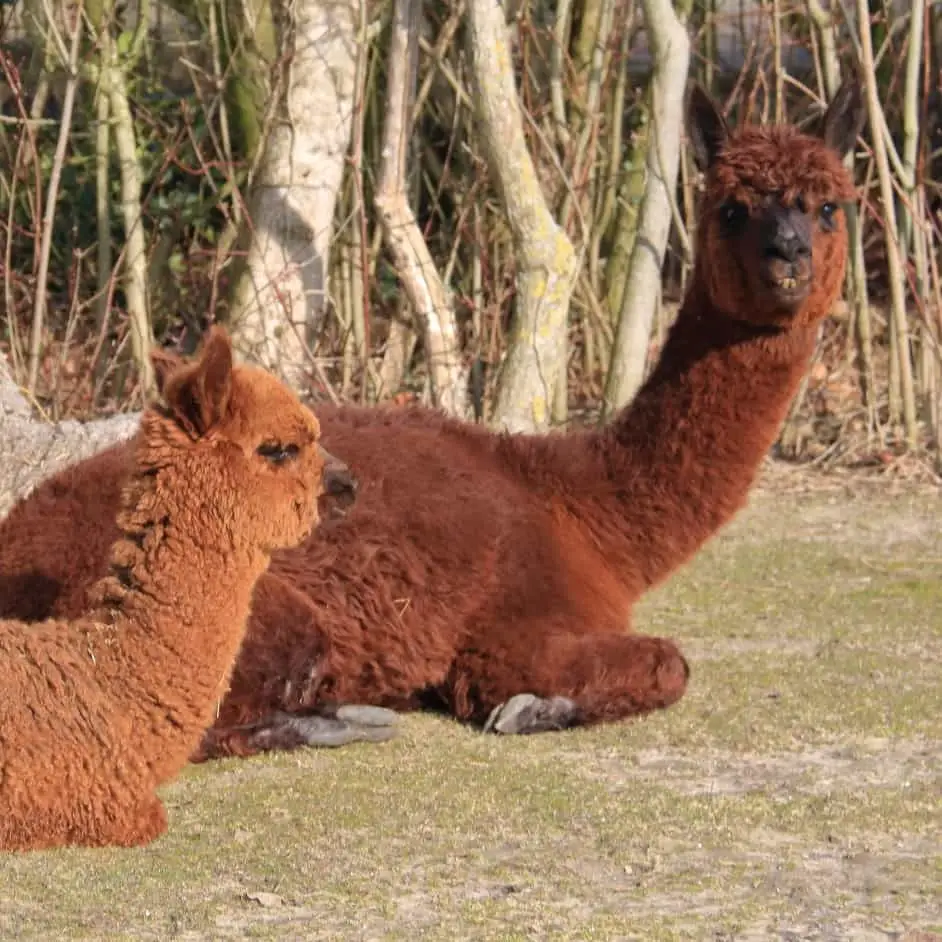
Trust is the foundation of development. It is crucial for the revival of the alpacas that Alpacas Zeelandia takes in alongside the Stichting Alpaca Rescue Nederland. Take Donna (2010), for example, who arrived in Aagtekerke in February 2023 from a neglected herd alongside her severely weakened cria, Daan (2022).
Both were malnourished, suffering from mange on their bellies, legs, under their tails, groins, armpits, and ears. They remained in quarantine for three months alongside other alpacas suffering from various skin conditions.
“Donna was completely apathetic during those initial days,” says Mara. “She allowed herself to be treated as if she no longer believed in anything. But whenever we took Daan out of the group, she panicked. She was allowed to stay nearby while we washed and treated him. Snorting, she would trot around us. Her high-pitched alarm screech—warning everyone of danger—gradually subsided once she recognized the routine.”
Strong and slender
With proper nutrition and vitamin supplements, mother and son returned to a healthy weight, and the mange disappeared. Donna transformed into a strong, slender animal. With her alert eyes—their color growing increasingly intense—she took in everything around her. During Meet & Feed events, she wanted to sniff everyone and eagerly ate pellets from every outstretched hand.
She thoroughly enjoyed the familiar daily routine: feeding, medication, and then crossing over together to the large pasture. Taking long strides, she led the pack, always being the first to spot juicy blades of grass in the roadside verge. Once she started eating, the rest of the herd followed suit. “Those habits are endearing,” Mara shares. “We give them the space for it. The more they gain strength, the more pronounced their personalities become.”
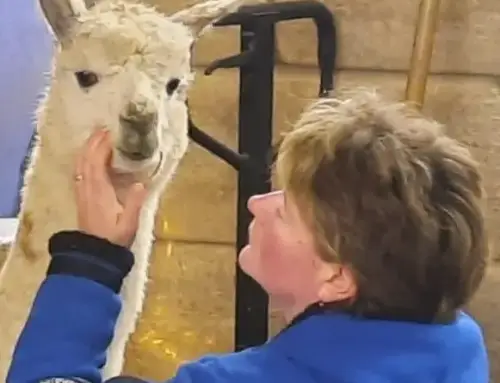
Donna accepted halters and leads without issue, stepped smoothly in and out of trailers, and ran cheerfully along the beach—galloping toward the waves with her buddies before rearing up playfully in the sand. Starting that summer, she took motherless Sofie (2023) under her wing, who resembled her and loved staying close to her. Donna was particularly fond of Mara: “When I sat among them in the flax bedding in the evening, I could feel Donna come lie down right behind me. I would stroke her coarse fleece, while she gently nibbled on my hair.”
Suddenly ill
However, alongside trust, knowledge and expertise are indispensable—only then can you act adequately when critical situations arise. “This part was definitely neither surprising nor joyful,” Mara reflects. “It is tragic that we had to learn from Donna just how much we still don’t know.”
Just before Christmas, things suddenly took a turn for the worse. During Adoption Parent Day on Sunday, December 17, the farm yard was bustling with visitors. Donna kept to herself a bit. Due to the bluetongue virus circulating among ruminants at the time, the team took the temperature of any animal displaying unusual behavior every evening: “So we checked hers as well—but she didn’t have a fever.”
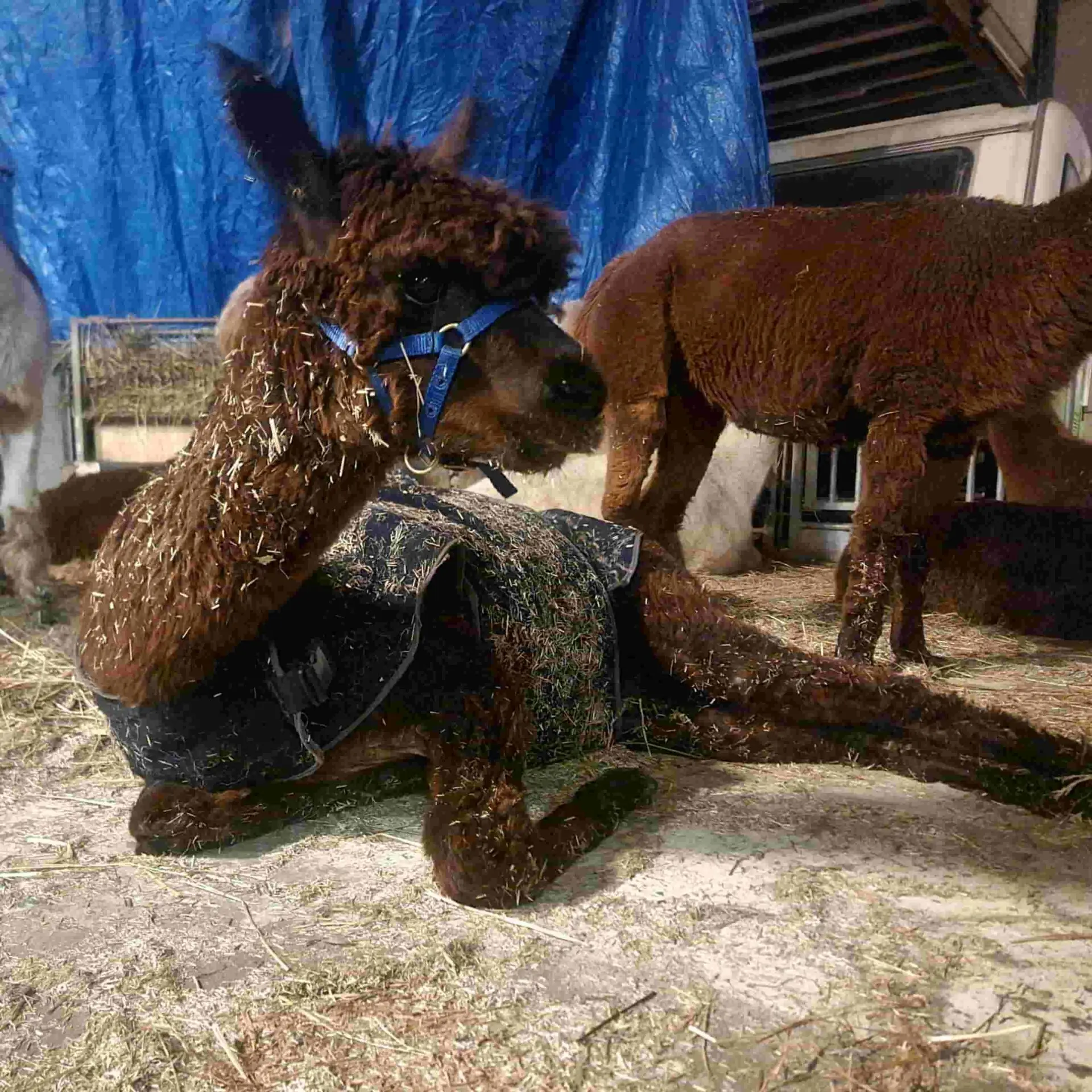
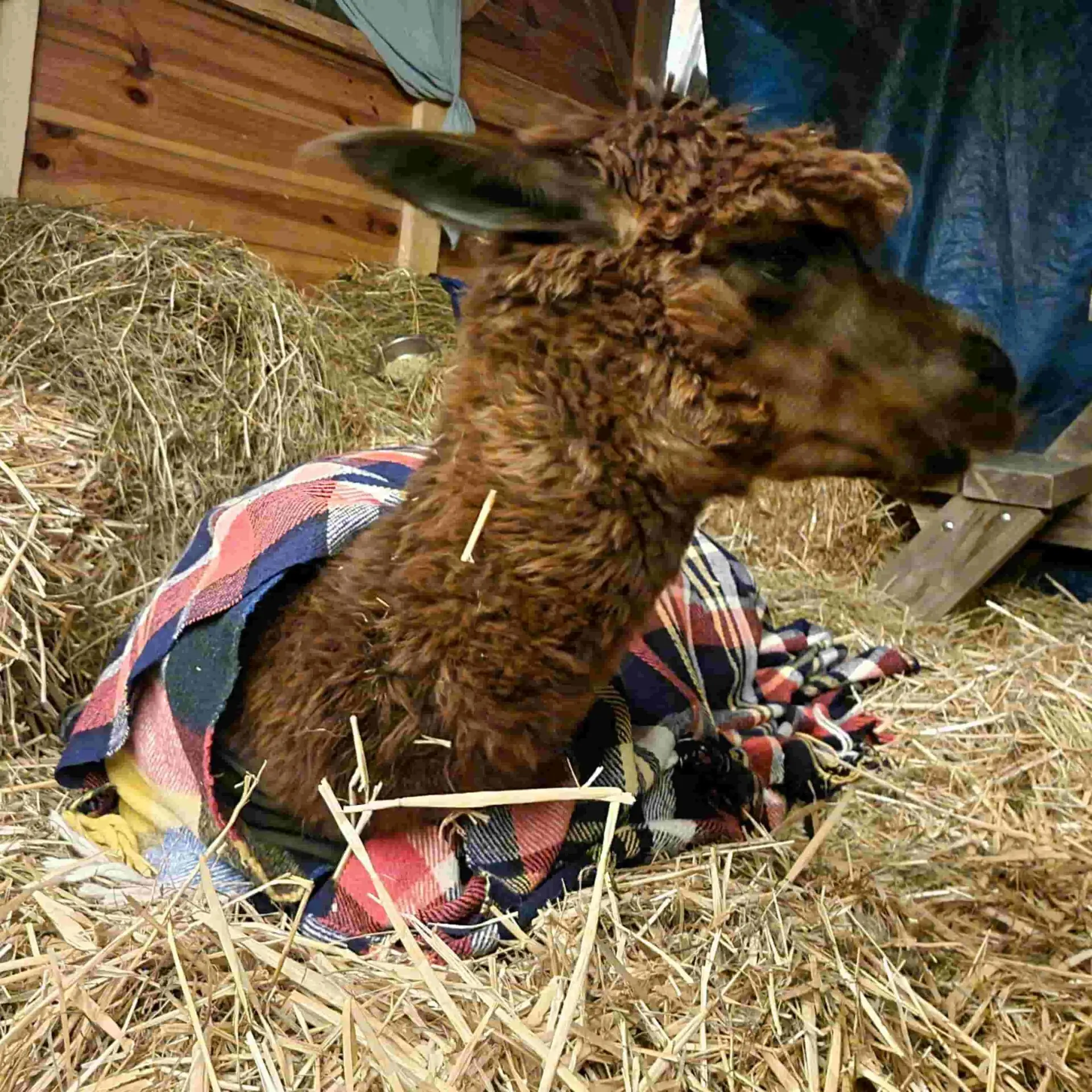
The next day, Donna was lethargic. She stopped eating and remained lying in the flax bedding. Herd members came over to check on her, softly humming as they sniffed her nose and belly. She didn’t react. Her body temperature dropped dangerously low.
“We took turns sitting with her for two full days and nights,” Mara says. “Equipped with hot water bottles and woolen blankets. On Saturday, she was still so happy and lively. Did we miss something? And if so, what? What was the right thing to do?”
Final hours
The veterinarian was baffled as well, confirming that her rumen, stomach, and intestines had stopped functioning entirely. They tried Novacam (an anti-inflammatory) and an IV drip for muscle relaxation and pain relief, but it offered virtually no relief: “Why did it have to be such an agonizing struggle? If only we had been able to draw definitive medical conclusions ourselves back then, we would have chosen to put her peacefully to sleep.”
Euthanasia is not a decision to be taken lightly; such a choice must be backed by clear medical findings and facts. So Mara and Renate sat helplessly in the barn that Tuesday night: “Every now and then, Donna would raise herself halfway up, cry out in pain, and lay her head back down on my shoulder.”
Those were her final hours. They could tell by her labored breathing. Softly, they stroked her long neck.
VolgendNext episode:
Regarding Donna’s autopsy report and medical training with Thijs Flahou, a veterinarian specializing in alpacas and llamas.
Alpacas Zeelandia team
Alpacas Zeelandia team