Behind the Scenes
A high tea among the alpacas is a special experience. Taking them out to get a breath of fresh sea air can certainly be called exciting. But what do the animals do between events? What goes on around the farm yard? What challenges do the caretakers face? A series on daily occurrences and questions.
Jacoline Vlaander
15. Blood
Every year we want to improve, Mara explains: “Deepen our knowledge, seamlessly adapt our actions to the needs of all our animals, and push ourselves a step further every time. We keep learning as we professionalize our rescue and ongoing care. That is urgently needed, because too many things still happen where we think: that didn’t have to go that way, it could have been different.”
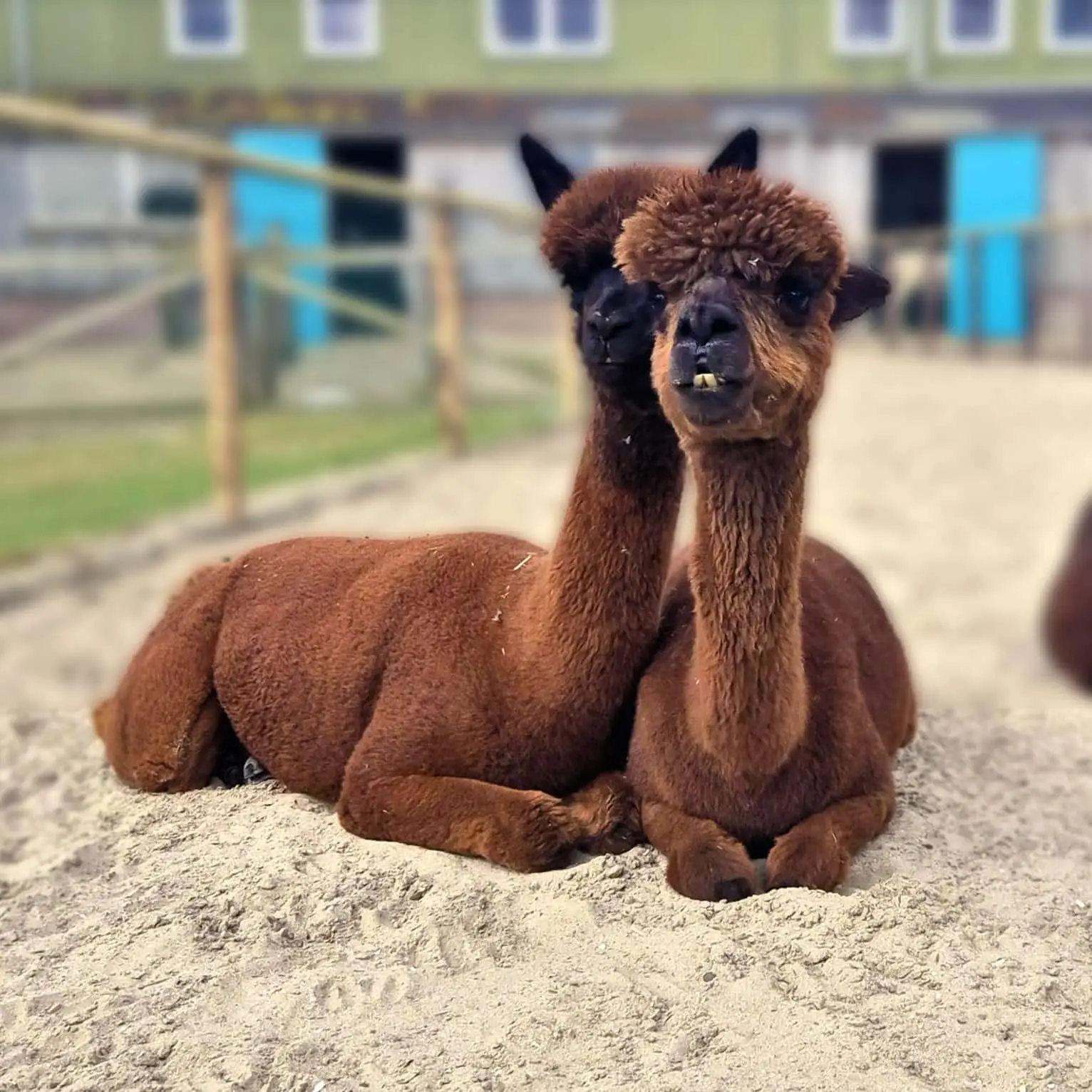
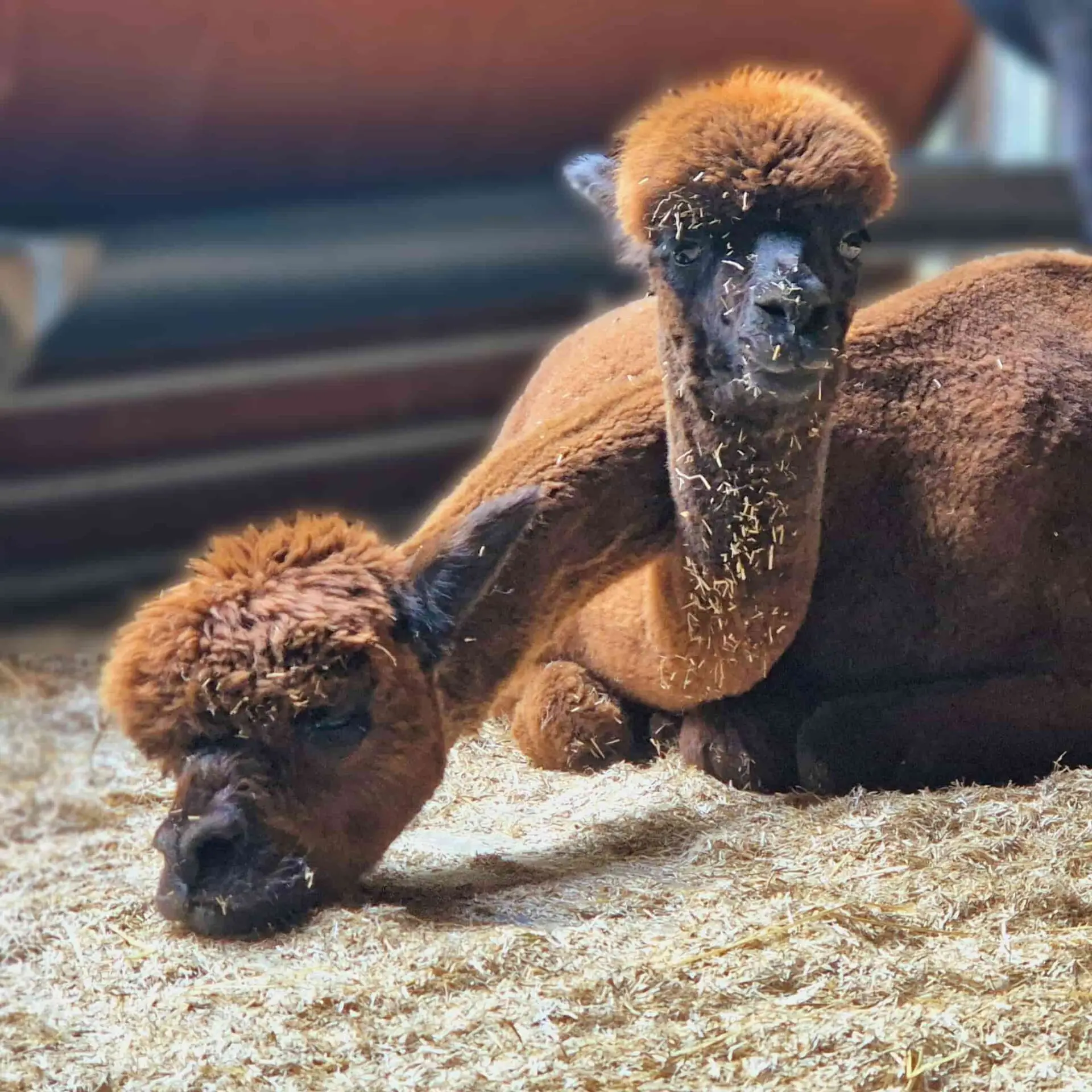
Take Claudia (birth year unknown), a dark brown mare who arrived in January 2023: “Emaciated, covered in mange, and pregnant. She was full of trust during tests and treatments, ate enough for ten, and gained weight visibly. She became fitter, stronger, and livelier. In June 2023 she gave birth to Coco, and from that moment on mother and daughter were inseparable.”
Liver damage
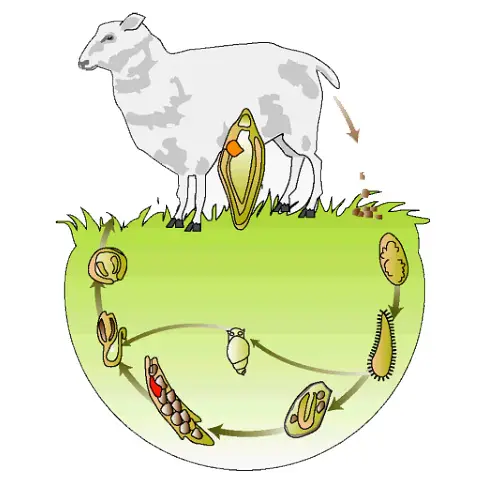
Everything seemed to be going well until March 2024, when Claudia weakened severely within just a few days. One afternoon she lay on her side in the pasture, gasping for breath. Emergency blood tests in Belgium revealed severe liver damage, likely caused in the past by liver fluke (Fasciola hepatica)—a parasite common in grazers like cattle, sheep, goats, hares, deer, llamas, and alpacas.
The adult liver fluke is a flatworm measuring 2 to 4 centimeters that lives in the host’s bile ducts. Eggs are excreted in the dung onto the grass, where larvae spread via mud snails. The wetter the pasture, the easier the transmission; a wet spring followed by a damp summer exponentially increases the risk of liver fluke infection in grazing animals.
Iron injections
“Fortunately, Claudia rallied after a series of iron injections,” Mara recalls. “But we knew she would never make a full recovery—she had been carrying it for too long. We could have caught this condition much earlier if we had tested her blood upon her initial arrival. Blood work gives a clear picture of deficiencies and failing organs. When you know more, you can tailor treatments faster and far more effectively.”
However, blood testing is not free. Due to the high cost and time required, it hadn’t been a standard procedure: “Up until now, we only did it in emergencies—when we had tried everything else and an animal was still in terrible shape.” Bringing in a vet to draw a few tubes of blood, waiting for space in their schedule, transporting samples to the nearest lab in Belgium, and waiting for results creates major delays: “A few days easily slip by, and total costs per test—vet fee, transport, travel time, and lab work—exceed €200 each time.”
Peaceful summer
Claudia and Coco shared one last peaceful summer together, enjoying beach walks and extra affection from visitors. By September 2024, however, Claudia’s condition declined rapidly over a matter of days. While the others frisked about, she lay on her stomach by the fence for hours, her eyes growing dull. Only when Coco pressed her nose gently against hers did she momentarily perk up.
By late afternoon, walking back from the pasture to the barn became nearly impossible as she trudged listlessly behind the herd. On October 28, flanked by Coco, she passed away in Mara’s arms.
Blood analyzer machine
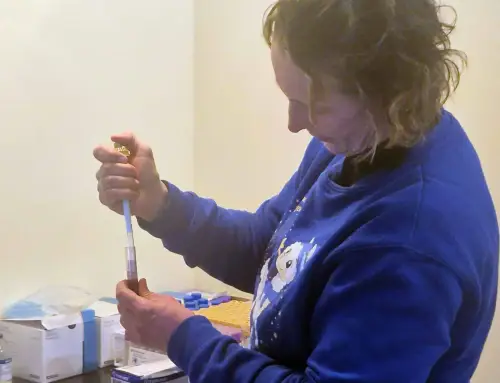
“To our great sorrow, we couldn’t save her,” Mara says. “In addition to all our other experiences with suddenly, severely ill alpacas, having our own blood analyzer machine became essential. We want to be able to do it ourselves—quickly and efficiently. For newly arrived alpacas, for sick animals, and for those poor souls who fail to recover despite extra care and medication. We want to test immediately the moment we suspect an animal is struggling, or even as a preventive measure.”
All fundraising drives and activities organized for Stichting DierenLot’s Christmas Challenge raised an incredible €14,000: “It’s fantastic! We can purchase the blood analyzer and undergo formal training. It allows us to take the next big step as we enter the new year with renewed hope.”
Next episode:
New: Our comprehensive health inspection (APK) for your alpaca!
Alpacas Zeelandia team
Alpacas Zeelandia team