Behind the Scenes
A high tea among the alpacas is a special experience. Taking them out to get a breath of fresh sea air can certainly be called exciting. But what do the animals do between events? What goes on around the farmyard? What challenges do the caretakers face? A series on daily occurrences and questions.
Jacoline Vlaander
13. Rituals
Certain animal species living in herds or packs display distinct habits and customs when one of their members dies. Horses walk up to a deceased companion, stand still, and gently sniff them. Foxes practice a burial ritual, covering the deceased with various natural materials. Magpies cover their fallen companions with twigs and blades of grass. Among alpacas and llamas, the team has also recognized behaviors that occur exclusively when death is near: “Allow your animals to be put to sleep in the presence of their herd,” Mara advises. “Give them time and space. That way, they can say goodbye, and you witness something truly extraordinary.”
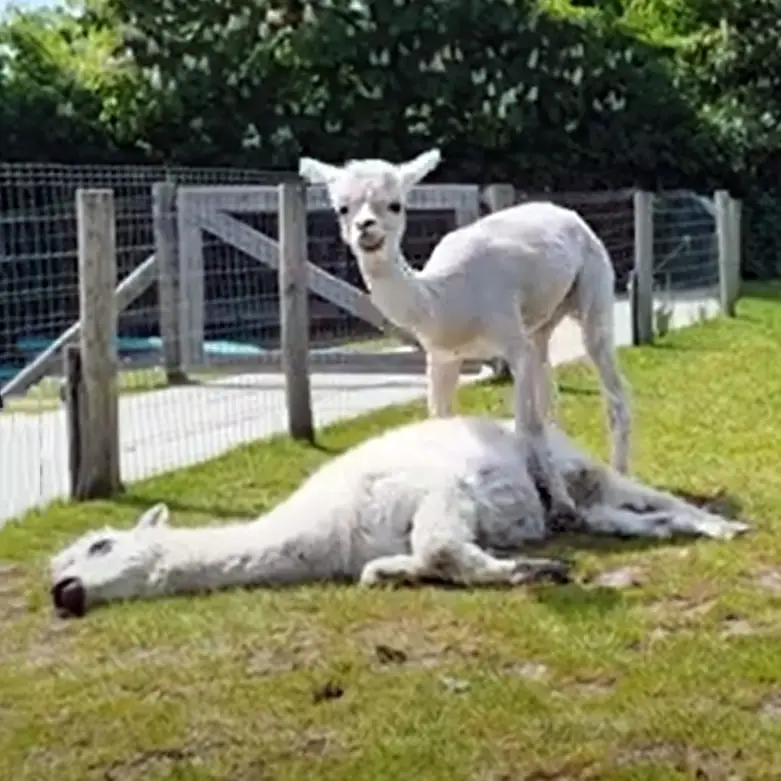
They first observed this in mid-May 2022 with rescue alpacas Kiske (2006) and Willem (2006). Having lived together for years, both arrived in poor health—Kiske especially: “On X-rays, we saw spinal and neck deformities causing pinched nerves. Walking, standing, lying down—everything caused him pain, and recovery was impossible. After a few days, we had him put to sleep.” Kiske remained lying in the pasture for a while. Willem stood partially over him, sniffing his buddy, poking a foot into his side, looking around as if searching for help, gently biting Kiske’s ear, and rubbing his head along Kiske’s loin.
Saying goodbye
Willem remained distraught for a week: “Walking around restlessly, humming, barely eating. Eventually, he chose Sing, an alpaca of similar age, as his new best friend. The hustle and bustle around the yard along with beach walks provided much-needed distraction; running and swimming bring back an appetite. We slowly watched him bounce back.” For two years, the pair were inseparable: where you saw Sing, you saw Willem, and where Willem was, Sing was sure to be nearby.
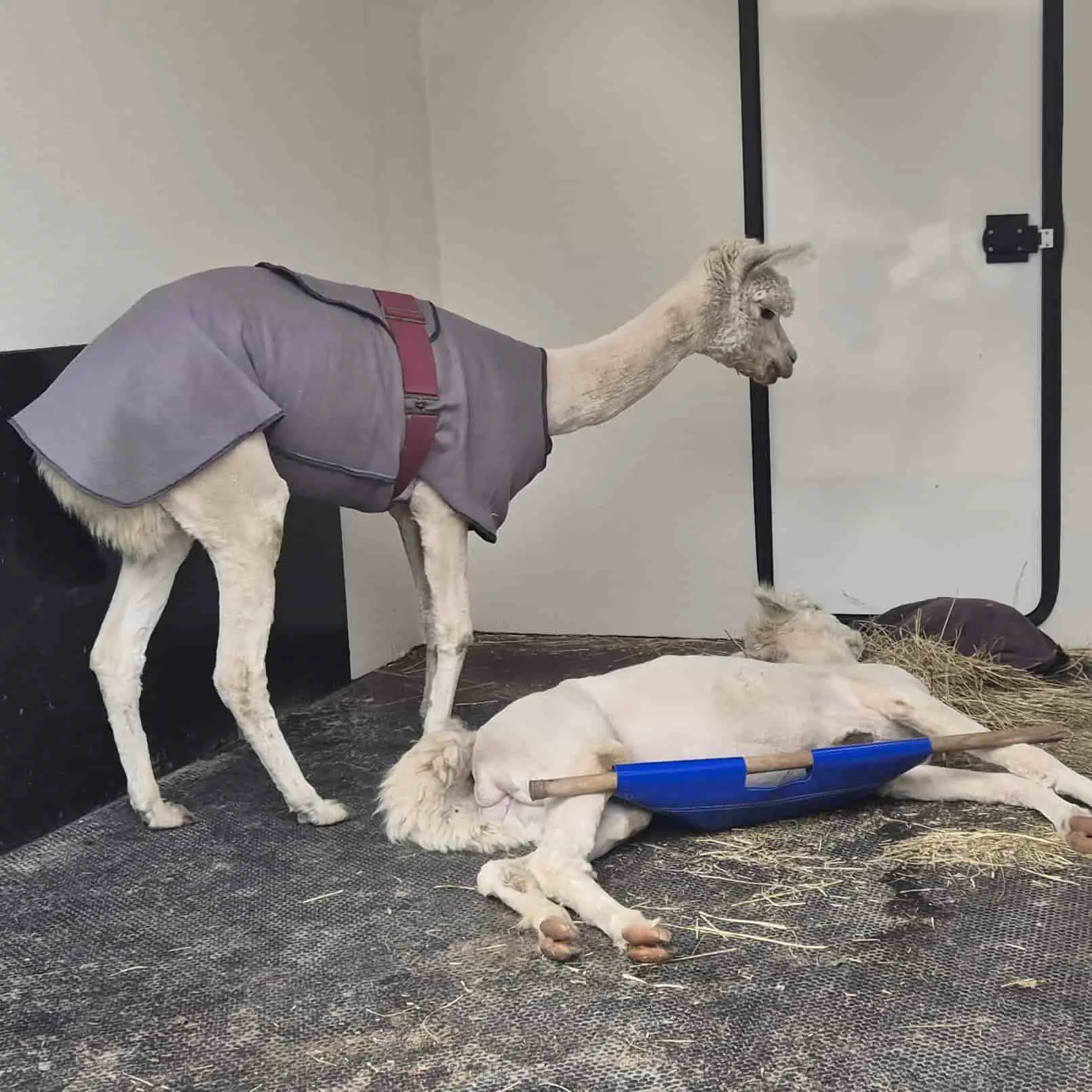
This spring, Sing suffered a stroke. During the euthanasia on a sunny afternoon in the pasture, Willem grazed calmly beside him. Other geldings approached cautiously to sniff Sing before moving on to the barn. When Mara, Renate, and Annika carried Sing’s body toward the trailer, Willem looked up and trotted anxiously behind them, even walking up the ramp himself: “Perhaps I should have taken him along to the crematorium,” Mara reflects, “so he could see that Sing was leaving for good. Instead, he was left behind on the yard in confusion. For days afterward, while crossing to the other pasture, he would sprint ahead to check if Sing was in the lead group, or stop dead in the middle of the road looking back to see where he was lagging behind.”
Giving up
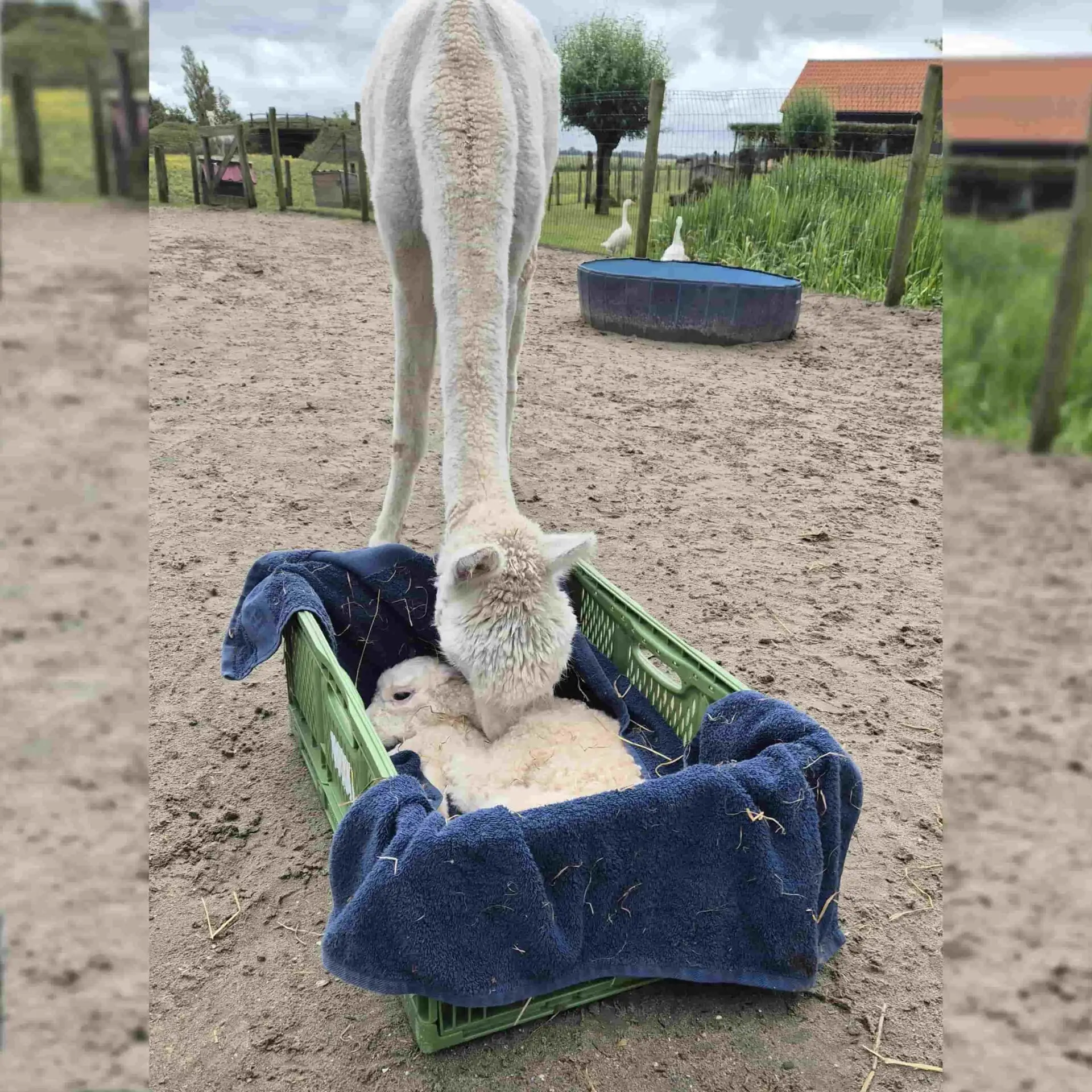
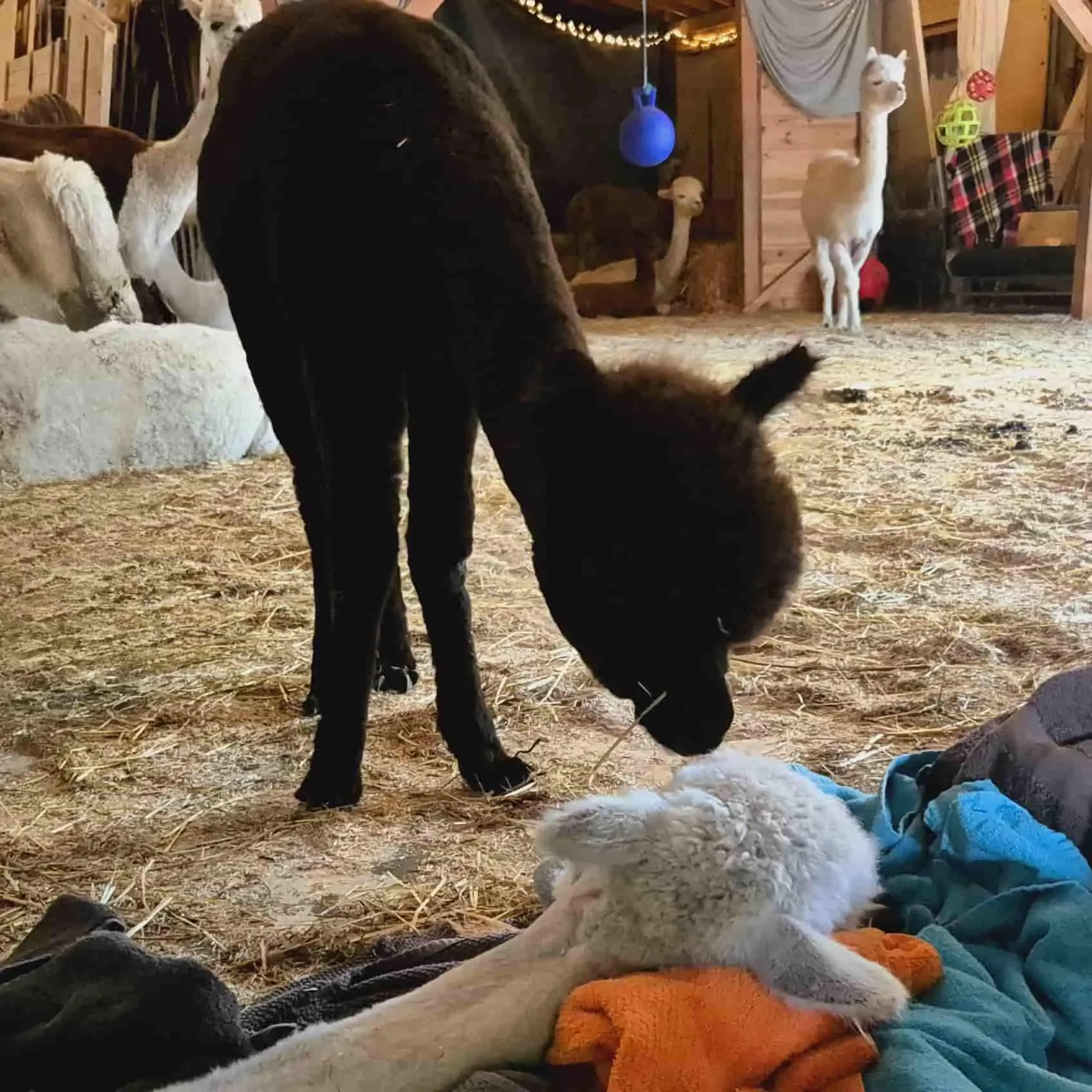
How much time an animal needs to process that a companion or offspring is gone varies by individual—as does their ability to pick up the threads of daily life: “A supportive herd where they feel safe is crucial,” Mara says. “The rhythm of the days, extra attention, and frequent walks help tremendously.” Yet for some, the survival instinct fails to reboot. Dunja, an older mare, gave birth this summer with veterinary assistance to Don, who survived his breech delivery for only 12 hours: “We laid him on a towel inside a crate and placed it in the pasture. She stayed nearby all day—grazing, sitting, sniffing him. Flies began to swarm, and by afternoon we could smell the decay on the yard, so I moved the crate into the trailer. Dunja walked with me to the gate and watched me leave.”
Mara later placed the towel in the barn where Don had been born. Dunja lay down beside it and refused food for half a week, eating only miniscule amounts afterward. She grew increasingly weak, trudging through the days with dull eyes despite receiving vitamins and high-energy feed. An internal infection accelerated her decline: “I got the strong impression she simply gave up—heartbreaking for Kwint, her healthy two-year-old son.” Ever since Dunja’s passing, Kwint sleeps every night in his mother’s spot.
Mutual support
Animals offer genuine support to one another, as the team often observes. During Donna’s final hours in December 2023, when she suffered unexplained, severe pain, all the mares stood around her through the night. At one point, they pressed their noses against hers one by one before stepping back three meters to lie down. Shortly thereafter, Donna passed away.
Lima, an older mare, weakened in September 2024 and developed edema in her eye, with recovery no longer possible. As she was being put to sleep, she experienced high stress. Comfort came from Reza, an alpaca of similar age, who sniffed her gently and lay down right beside her—as if demonstrating to Lima that lying down peacefully was best when no other option remained.
Next episode:
How do we protect ourselves against Bluetongue?
Alpacas Zeelandia team
Alpacas Zeelandia team